Our Knowledge.
A collection of articles about harakeke, muka fibre, and fibre innovation.
This space shares insights into harakeke, muka fibre, and the exploration of plant-based fibre design. These writings document a journey of learning, experimentation, and respect for the knowledge carried within the harakeke plant.
-
Posts about the plant, ecology, cultivation.
-
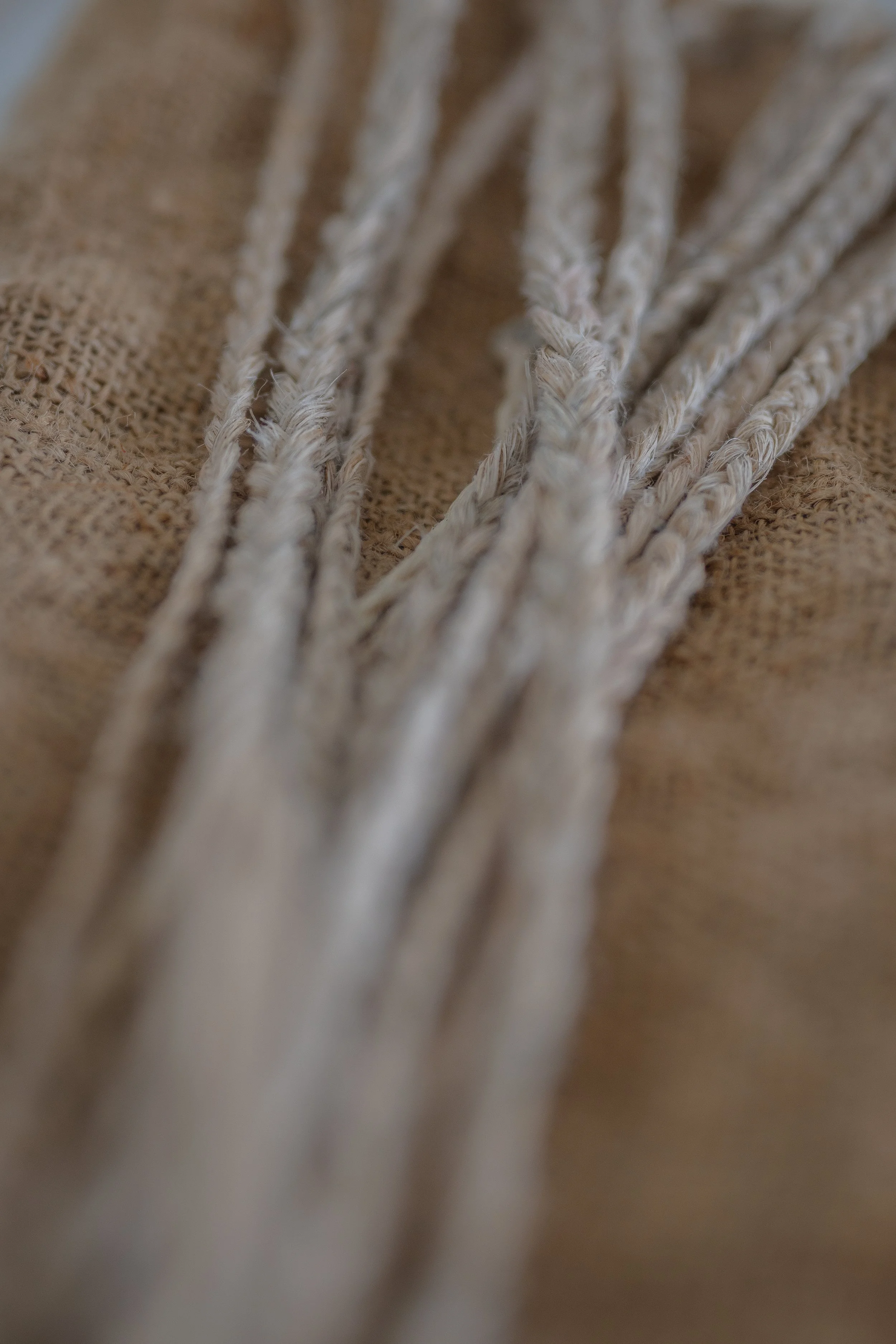
Extraction, preparation, fibre characteristics.
-
Your testing, braiding, fibre design, development.
-
Hair extensions, materials, future ideas.
-
Cultural reflections, traditional knowledge, philosophy.

Value.
100% NZ Designed & Made
Nature-Inspired and Compatible Design: Nature's influence is woven into every step of the design process, using sustainable, non-toxic materials to create products that are both eco-friendly and safe.
Plant-Based Elegance: Crafted from the indigenous NZ plant Phormium tenax.
Eco-Friendly: Biodegradable, contributing to a sustainable environment.
Biodiversity Support: Aids in preserving biodiversity within natural ecosystems.
Featherweight: Lightweight for comfortable wear.
Authentic

Love Your Hair!
Caring for Your Hair While You Have Extensions
Personal haircare is crucial when you have extensions to prevent matting or tangling. Daily brushing is essential for maintaining your hair's health. Stimulating hair growth is beneficial, and you can do so by exfoliating your scalp with an exfoliator or gentle brushing. Take the opportunity to nurture your hair's well-being. Begin with a clarifying shampoo, followed by a nourishing mask. Allow the mask to rest and work its magic. This preparation ensures that your hair is strong and healthy enough to withstand the effects of heat styling and the addition of extensions, while also making maintenance easier.

Te Kāuru Hou—a new leaf: Processing Harakeke (Phormium Tenax) for WholeGarment® Knitting Technology - Shima Seiki
ABSTRACT
Keywords: Harakeke (NZ Flax), Phormium Tenax, Shima Seiki WholeGarment®, Innovative Technology, Plant Fibre, Te Ao Māori / European, Environment, Sustainable, Productivity, Textile / Fibre Technology, Identity.
There is demand for high-quality natural fabrics, which are cultivated and transformed by processes that are environmentally and culturally sustainable. In response to this demand, and underpinned by Te Ao Māori worldviews and environmental values, this research meticulously questions how can harakeke advance technology while maintaining her integrity? The development of new techniques and innovations are explored to transcend harakeke (phormium tenax) from harvest to a digitally knitted structure - something that has not been achieved before.
The research specifically explores analogue (hand) and digital processes (WholeGarment® digital knitting technologies), the relationship of European sciences and Māori harakeke knowledges, and the interconnections between Raranga (weaving) and the textile design. The bridging of these areas give rise to opportunities for experimentation, creativity and innovation. This includes the development of new techniques for

Māori frameworks for ‘Responsible Innovation’
Māori frameworks are deeply rooted in spirituality, unity with our constant changing environments and socio-political concerns. They serve as cornerstones or guiding posts from a result of the exploits and lessons learnt from a genesis of stories, traditions and histories retained by each iwi over centuries. Maori use unique oral systems scripted in ancient whakapapa that captures the essence and spirituality of humankind working together in unison with Atua. To understand Māori you must understand the mechanisms and characteristics of whakapapa which guide us.

The Waihou Jacket -GOLD Pin — Best Awards.
New Zealand has a rich history of clothing that represent its agricultural heritage, the iconic Swanndri and oilskin jackets being notable amongst these. However, the 21st century farm is a professional environment, with scientific, technological, commercial and lifestyle shifts giving rise to a new breed of farmer — one who is equally conversant with bank managers as they are with farm hands; equally as proficient on a smart phone as they are on a farm bike.

Honouring Nature with Sustainable Craftsmanship
Understanding Nature's Cost
At KIMBERLEY MAAKA, we believe in transparency and accountability. We recognise that every product we offer has an impact on the environment.
Let's delve into the nature's cost added to our Harakeke woven hair extensions:
Sustainable Sourcing: Our Harakeke fibers are sourced from responsibly managed Pā Harakeke plantations where biodiversity is preserved, and ecosystem health is prioritised. By supporting sustainable cultivation practices, we minimise the environmental footprint of our raw materials.
Low-Impact Processing: We employ eco-friendly processing methods that minimise water usage and energy consumption during the conversion of Harakeke fibers into hair extensions. Our commitment to reducing waste and pollution is evident at every stage of production.
Biodegradable Packaging:

Lifelong Sustainability, Shared.
Understanding the importance of a balanced ecosystem is crucial. An ecosystem, a complex network of living organisms, their interactions, and their environment, is fundamental to sustaining life on Earth. Every element, from plants and animals to microorganisms, plays a vital role in maintaining this balance. When disruptions occur—whether from pollution, habitat loss, or climate change—the consequences can be severe for both the environment and its inhabitants. Recognising and valuing the interconnections within ecosystems is key to preserving biodiversity, ensuring the longevity of natural resources, and fostering a healthier planet for present and future generations.

From Plant to Fibre.
Exploring the intersection of analogue (handcrafted) and digital processes, such as Wholegarment® digital knitting technologies, this approach merges European scientific methods with Māori knowledge of Harakeke (Phormium tenax). It highlights the innovative connections between traditional Māori weaving (raranga) and the design industry, fostering a dynamic dialogue that bridges culture, craftsmanship, and forward-thinking innovation. The integration of this new knowledge benefits all industries by creating sustainable, adaptable practices that blend traditional wisdom with cutting-edge technology, promoting efficiency, creativity, and environmental responsibility across diverse sectors.

Ko wai au? Who am I?Māori/Pākehā Artist Worldview
Kia Ora e te Whānau!
I come from a rich Whakapapa of Māori and European heritage, navigating the intersection of two cultural worlds. Growing up in Aotearoa, between the Bay of Islands and East Coast communities, my industrious farm upbringing and deep cultural roots have shaped my identity and commitment to innovative growth.
This diverse upbringing has inspired me to explore collaborative pathways within a digital practice, blending traditional knowledge with the timeless art of working with harakeke.
My heritage has gifted me not only a deep connection to the whenua and harakeke but also an intangible passion—an inherited fascination with harakeke's potential. This passion drives my work, sparking a vision to transform this remarkable fibre into fine threads, reimagining its place in the modern textile industry.
Through my craft, I work on both physical and spiritual levels, using technique to honour cultural traditions while offering a fresh perspective for Māori and all who venture into the worlds of textiles and technology.

Whakapapa: Honouring knowledge passed down to me.
Tikanga
Tikanga and Harakeke: Cultural Practices and Respectful Use
Tikanga refers to the customs, protocols, and practices associated with various activities and resources in Māori culture. When it comes to Harakeke (Phormium tenax), a plant of great cultural significance, there are specific tikanga surrounding its cultivation, harvesting, and use. These customs may differ between tribes but share common values of respect and mindfulness.
Cultivation:
Before harvesting Harakeke, it's important to reflect on your intentions and consider whether you're honouring your ancestors by creating something meaningful with the knowledge passed down to you. Acknowledging the land and the plant itself is essential. This often involves reciting karakia (prayers) or offering thanks to Tāne Mahuta (God of the Forest) and Papatūānuku

Don’t let the World change who you are! Be your own shooting star!
To understand Māori culture, one must first grasp the concept of whakapapa, which is the genealogy or line of descent from one’s ancestors. Whakapapa is central to Māori identity and plays a vital role in shaping the society we live in. It is embedded in our language, beliefs, values, and everyday conversations, and forms the basis for how we connect with Ngā Atua (the Gods) and each other.
Whakapapa guides our personal journey, helping us connect ideas, principles, and experiences in meaningful ways. Reconnecting with your whakapapa can be incredibly empowering and enriching, especially in a world full of distractions. It serves as a grounding tool, offering clarity about who we are and helping us navigate life with confidence. With the wisdom and knowledge of our ancestry, we are equipped to move forward without fear.
Whakapapa is one of our most precious taonga (treasures),
